


Items filtered by date: October 2020
Do You Suffer From Painful Feet?

Painful deformities, such as hammertoes, can be treated. Stop living with foot pain, and have beautiful feet again!
Symptoms and Causes of Cracked Heels
 The medical condition that is known as cracked heels can develop for a variety of reasons. These can include walking barefoot, standing for extended periods of time throughout the day, or from wearing shoes that have an open back. Additionally, there are medical causes that may significantly contribute to the onset of cracked heels. These can consist of vitamin deficiencies, thyroid disorder, and psoriasis. The symptoms that are often associated with this ailment are pain, red skin, itchiness and inflammation. If you have developed cracked heels, it is suggested that you confer with a podiatrist who can recommend treatment techniques.
Cracked heels are unsightly and can cause further damage to your shoes and feet. If you have any concerns, contact one of our podiatrists from Advanced Ankle & Foot Surgeons. Our doctors can provide the care you need to keep you pain-free and on your feet.
Cracked Heels
Cracked heels appear unappealing and can make it harder for you walk around in sandals. Aside from looking unpleasant, cracked heels can also tear stockings, socks, and wear out your shoes. There are several methods to help restore a cracked heel and prevent further damage.
How Do You Get Them?
Dry skin is the number one culprit in creating cracked heels. Many athletes, walkers, joggers, and even swimmers suffer from cracked heels. Age and skin oil production play a role to getting cracked heels as well.
Promote Healing
Over the counter medicines can help, especially for those that need instant relief or who suffer from chronic dry feet.
Wear Socks – Wearing socks with medicated creams helps lock in moisture.
Moisturizers – Applying both day and night will help alleviate dryness which causes cracking.
Pumice Stones – These exfoliate and remove dead skin, which allows for smoother moisturizer application and better absorption into the skin.
Change in Diet
Eating healthy with a well-balanced diet will give the skin a fresh and radiant look. Your body responds to the kinds of food you ingest. Omega-3 fatty acids and zinc supplements can also revitalize skin tissue.
Most importantly, seek professional help if unsure how to proceed in treating cracked heels. A podiatrist will help you with any questions or information needed.
If you have any questions, please feel free to contact our office located in O'Fallon, and New Baden, IL . We offer the newest diagnostic and treatment technologies for all your foot care needs.
All About Metatarsal Stress Fractures
 The metatarsal bones are the foot bones that connect the toes to the ankles, and stress fractures occur as small breaks in the bones due to repeated stress. Those who have increased their activity level, put pressure on the feet, or have a bone condition are at a higher risk for developing a stress fracture. Generally, the pain from a metatarsal stress fracture starts over a wide area of the foot during activity, but goes away with rest. Left untreated, the pain will be present all of the time. If you are experiencing this kind of pain, it is important to consult with a podiatrist. X-rays or a bone scan may be needed to make a proper diagnosis, and orthotics or a cast may be necessary. A podiatrist will also be able to help determine when it is safe to go back to physical activity.
Activities where too much pressure is put on the feet can cause stress fractures. To learn more, contact one of our podiatrists from Advanced Ankle & Foot Surgeons. Our doctors can provide the care you need to keep your pain free and on your feet.
Dealing with Stress Fractures of the Foot and Ankle
Stress fractures occur in the foot and ankle when muscles in these areas weaken from too much or too little use. The feet and ankles then lose support when walking or running from the impact of the ground. Since there is no protection, the bones receive the full impact of each step. Stress on the feet can cause cracks to form in the bones, thus creating stress fractures.
What Are Stress Fractures?
Stress fractures occur frequently in individuals whose daily activities cause great impact on the feet and ankles. Stress factors are most common among:
- Runners
- People affected with Osteoporosis
- Tennis or basketball players
- Gymnasts
- High impact workouts
Symptoms
Pain from the fractures occur in the area of the fractures and can be constant or intermittent. It will often cause sharp or dull pain with swelling and tenderness. Engaging in any kind of activity which involves high impact will aggravate pain.
If you have any questions please feel free to contact our office located in O'Fallon, and New Baden, IL . We offer the newest diagnostic and treatment technologies for all your foot and ankle needs.
Symptoms of Psoriatic Arthritis in the Feet
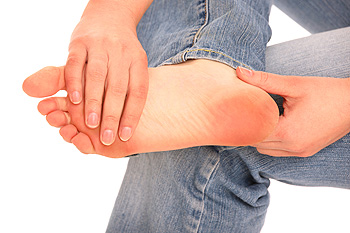 Psoriatic arthritis is an inflammation of the joints that is sometimes found in people diagnosed with the skin disorder known as psoriasis. Often, the skin and joints of the feet and ankles are affected. The symptoms of psoriatic arthritis can include having red patches of skin with silvery scales called plaques, swollen fingers and toes, joint pain, and changes in the structure or color of the nails. If you experience any symptoms of psoriatic arthritis in the feet and ankles, it is very important to consult with a podiatrist as this chronic condition can be misdiagnosed. A podiatrist may use X-rays or ultrasounds to determine any joint damage or dislocation, as well as blood tests to check for markers of inflammation and antibodies. Once you are properly diagnosed, treatment can begin.
Arthritis can be a difficult condition to live with. If you are seeking treatment, contact one of our podiatrists from Advanced Ankle & Foot Surgeons. Our doctors can provide the care you need to keep you pain-free and on your feet.
Arthritic Foot Care
Arthritis is a joint disorder that involves the inflammation of different joints in your body, such as those in your feet. Arthritis is often caused by a degenerative joint disease and causes mild to severe pain in all affected areas. In addition to this, swelling and stiffness in the affected joints can also be a common symptom of arthritis.
In many cases, wearing ill-fitting shoes can worsen the effects and pain of arthritis. Wearing shoes that have a lower heel and extra room can help your feet feel more comfortable. In cases of rheumatoid arthritis, the arch in your foot may become problematic. Buying shoes with proper arch support that contour to your feet can help immensely.
Alleviating Arthritic Pain
- Exercises that stretch the foot can prevent further pain and injury and increase mobility
- Most of the pain can be alleviated with anti-inflammatory drugs, heat, and topical medications
- Massages can help temporarily alleviate pain.
It is best to see your doctor for the treatment that is right for your needs and symptoms. Conditions vary, and a podiatrist can help you determine the right method of care for your feet.
If you have any questions, please feel free to contact our office located in O'Fallon, and New Baden, IL . We offer the newest diagnostic tools and technology to treat your foot and ankle needs.
Possible Causes of Ingrown Toenails
 People who develop ingrown toenails are often aware of the pain and discomfort they can cause. Wearing shoes that do not fit correctly may cause the corner of the toenail to grow into the skin, and the affected area typically appears to be red and swollen. Additionally, poorly shaped toenails may come from genetic factors, and existing fungal infections may lead to abnormal toenails. Patients may find mild relief when the affected toe is soaked in warm water, and this may help to promote healing. If you are afflicted with an ingrown toenail, it is strongly suggested that you speak with a podiatrist as quickly as possible who can effectively treat this condition.
Ingrown toenails may initially present themselves as a minor discomfort, but they may progress into an infection in the skin without proper treatment. For more information about ingrown toenails, contact one of our podiatrists of Advanced Ankle & Foot Surgeons. Our doctors can provide the care you need to keep you pain-free and on your feet.
Ingrown Toenails
Ingrown toenails are caused when the corner or side of a toenail grows into the soft flesh surrounding it. They often result in redness, swelling, pain, and in some cases, infection. This condition typically affects the big toe and may recur if it is not treated properly.
Causes
- Improper toenail trimming
- Genetics
- Improper shoe fitting
- Injury from pedicures or nail picking
- Abnormal gait
- Poor hygiene
You are more likely to develop an ingrown toenail if you are obese, have diabetes, arthritis, or have any fungal infection in your nails. Additionally, people who have foot or toe deformities are at a higher risk of developing an ingrown toenail.
Symptoms
Some symptoms of ingrown toenails are redness, swelling, and pain. In rare cases, there may be a yellowish drainage coming from the nail.
Treatment
Ignoring an ingrown toenail can have serious complications. Infections of the nail border can progress to a deeper soft-tissue infection, which can then turn into a bone infection. You should always speak with your podiatrist if you suspect you have an ingrown toenail, especially if you have diabetes or poor circulation.
If you have any questions, please feel free to contact our office located in O'Fallon, and New Baden, IL . We offer the newest diagnostic and treatment technologies for all your foot care needs.
Plantar Warts Can Be Treated!

Plantar warts are small growths that develop on parts of the feet that bear weight. They're typically found on the bottom of the foot. Don't live with plantar warts, and call us today!
