


Items filtered by date: October 2023
Foot Blisters Are a Common Foot Ailment
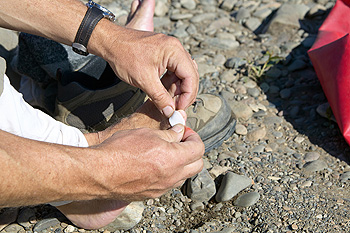
Foot blisters are pockets of fluid that form on the skin's surface, and can turn a pleasant walk or workout into a painful experience. These common nuisances are often the result of friction or repeated rubbing on the skin. When the skin experiences excessive pressure or friction, the top layer separates from the layers beneath, trapping a small amount of fluid in the newly formed pocket. Blisters can also be caused by wearing ill-fitting shoes, footwear that rubs against the skin, high levels of moisture, or extended periods of physical activity. Understanding the factors that contribute to blister formation is essential for prevention. If you have developed a blister on your foot that has become problematic, it is suggested that you speak with a podiatrist who can properly treat it and offer you effective prevention methods.
Blisters may appear as a single bubble or in a cluster. They can cause a lot of pain and may be filled with pus, blood, or watery serum. If your feet are hurting, contact one of our podiatrists of Advanced Ankle & Foot Surgeons. Our doctors can provide the care you need to keep you pain-free and on your feet.
Foot Blisters
Foot blisters are often the result of friction. This happens due to the constant rubbing from shoes, which can lead to pain.
What Are Foot Blisters?
A foot blister is a small fluid-filled pocket that forms on the upper-most layer of the skin. Blisters are filled with clear fluid and can lead to blood drainage or pus if the area becomes infected.
Symptoms
(Blister symptoms may vary depending on what is causing them)
- Bubble of skin filled with fluid
- Redness
- Moderate to severe pain
- Itching
Prevention & Treatment
In order to prevent blisters, you should be sure to wear comfortable shoes with socks that cushion your feet and absorb sweat. Breaking a blister open may increase your chances of developing an infection. However, if your blister breaks, you should wash the area with soap and water immediately and then apply a bandage to the affected area. If your blisters cause severe pain it is important that you call your podiatrist right away.
If you have any questions, please feel free to contact our office located in O'Fallon, and New Baden, IL . We offer the newest diagnostic and treatment technologies for all your foot care needs.
The Complex Elegance of the Human Foot
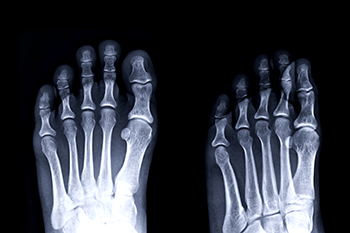
The human foot is a marvel of biomechanical engineering, uniquely shaped and intricately structured to provide stability, balance, and mobility. Each foot contains 26 bones, 33 joints, and over 100 muscles, tendons, and ligaments all working together to support our body weight and facilitate movement. The foot's formation begins early in fetal development, with cartilage gradually ossifying into bones and its distinct arches taking shape. The arches, known as medial, lateral, and transverse, enable shock absorption and weight distribution, making the foot flexible yet resilient. The metatarsal bones form the foot's longitudinal arch, while the tarsal bones provide the transverse arch. This complex design ensures that the foot can withstand the rigors of walking, running, and standing for extended periods. As we grow, our feet evolve, adapting to the unique pressures and movements they experience. If you would like additional information about the intricacies of the foot, it is suggested that you consult with a podiatrist.
If you have any concerns about your feet, contact one of our podiatrists from Advanced Ankle & Foot Surgeons. Our doctors can provide the care you need to keep you pain-free and on your feet.
Biomechanics in Podiatry
Podiatric biomechanics is a particular sector of specialty podiatry with licensed practitioners who are trained to diagnose and treat conditions affecting the foot, ankle and lower leg. Biomechanics deals with the forces that act against the body, causing an interference with the biological structures. It focuses on the movement of the ankle, the foot and the forces that interact with them.
A History of Biomechanics
- Biomechanics dates back to the BC era in Egypt where evidence of professional foot care has been recorded.
- In 1974, biomechanics gained a higher profile from the studies of Merton Root, who claimed that by changing or controlling the forces between the ankle and the foot, corrections or conditions could be implemented to gain strength and coordination in the area.
Modern technological improvements are based on past theories and therapeutic processes that provide a better understanding of podiatric concepts for biomechanics. Computers can provide accurate information about the forces and patterns of the feet and lower legs.
Understanding biomechanics of the feet can help improve and eliminate pain, stopping further stress to the foot.
If you have any questions please feel free to contact our office located in O'Fallon, and New Baden, IL . We offer the newest diagnostic and treatment technologies for all your foot and ankle needs.
Laser Therapy and Toenail Fungus
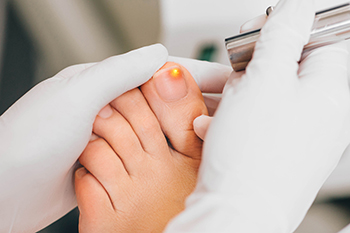
Toenail fungus, or onychomycosis, can be stubborn and challenging to treat with traditional methods. However, recent advancements in medical technology have introduced an effective alternative, which is known as laser therapy. This innovative approach utilizes concentrated beams of light to target and eliminate the fungus residing beneath the toenail. The laser treatment process begins with the application of the laser, which penetrates the nail. This specifically targets the fungal infection while leaving the surrounding healthy tissue unharmed. The laser generates heat, effectively eradicating the fungal cells and inhibiting their ability to regrow. Laser treatment offers several advantages. It is non-invasive, requires no anesthesia, and typically involves minimal discomfort. Additionally, it can be extremely effective, often requiring fewer sessions than traditional treatments. Patients can generally resume their daily activities immediately following the procedure. As with any medical treatment, consultation with a podiatrist is crucial in determining what the best approach is for your specific condition. Laser therapy represents a promising option in the battle against stubborn toenail fungus, offering a safe, efficient, and minimally disruptive solution to restore healthy and clear nails. If you are afflicted with toenail fungus, it is suggested that you seek the counsel of a podiatrist who can determine if laser treatment is right for you.
Laser treatment can be an effective way to get rid of toenail fungus. If you have any questions about laser treatment, consult with one of our podiatrists from Advanced Ankle & Foot Surgeons. Our doctors will assess your condition and provide you with quality treatment for fungal nails.
What Are Toenail Fungal Infections?
Onychomycosis, or fungal infection of the nail, is a relatively common and non-serious condition. Around 10 percent of U.S. citizens are afflicted with fungal nails. Common forms of fungus that infect the nail include dermatophytes, yeasts, and molds.
Symptoms of Toenail Fungal Infections Include:
- Nail thickening
- Brittleness of the nail
- Discoloration of the nail
Diagnosis for Fungal Nails
Fungal infections are diagnosed by fungal culture and microscopy. This will rule out any other conditions such as nail trauma, psoriasis, lichen planus, and onychogryphosis.
What Is Laser Treatment?
Laser treatment is a non-invasive, safe, quick, and painless procedure that uses the heat from a laser to kill fungus in the nail. Each infected nail is targeted with a laser for several minutes. The treatment is usually utilized several different times over a select period. During this time, a podiatrist will keep an eye on the infection.
If you have any questions, please feel free to contact our office located in O'Fallon, and New Baden, IL . We offer the newest diagnostic and treatment technologies for all your foot care needs.
Fencing and Foot and Ankle Injuries

Fencing is a thrilling dance of swords, a clash of sharp intellects, and a showcase of exceptional skills. However, within the fluidity of each swift lunge and precise comeback, the potential for injuries lurks in the shadows. It can help to be aware of early indicators of injuries in fencing to proactively try to evade them. Foot and ankle injuries such as sprains and strains can emerge from absorbing the impact of swift maneuvers and changes in direction. Typical signs encompass discomfort, swelling, and challenges in walking or bearing weight. Safeguard against foot injuries by investing in top-tier fencing footwear, executing thorough warm-up routines, and upholding precise footwork techniques. In cases of foot injuries, the recommended course of action is resting, elevating, and compressing the affected limb. If you participate in fencing and have sustained a severe or persistent foot or ankle injury, it is suggested that you make an appointment with a podiatrist for a proper diagnosis and treatment.
Sports related foot and ankle injuries require proper treatment before players can go back to their regular routines. For more information, contact one of our podiatrists of Advanced Ankle & Foot Surgeons. Our doctors can provide the care you need to keep you pain-free and on your feet.
Sports Related Foot and Ankle Injuries
Foot and ankle injuries are a common occurrence when it comes to athletes of any sport. While many athletes dismiss the initial aches and pains, the truth is that ignoring potential foot and ankle injuries can lead to serious problems. As athletes continue to place pressure and strain the area further, a mild injury can turn into something as serious as a rupture and may lead to a permanent disability. There are many factors that contribute to sports related foot and ankle injuries, which include failure to warm up properly, not providing support or wearing bad footwear. Common injuries and conditions athletes face, including:
- Plantar Fasciitis
- Plantar Fasciosis
- Achilles Tendinitis
- Achilles Tendon Rupture
- Ankle Sprains
Sports related injuries are commonly treated using the RICE method. This includes rest, applying ice to the injured area, compression and elevating the ankle. More serious sprains and injuries may require surgery, which could include arthroscopic and reconstructive surgery. Rehabilitation and therapy may also be required in order to get any recovering athlete to become fully functional again. Any unusual aches and pains an athlete sustains must be evaluated by a licensed, reputable medical professional.
If you have any questions please feel free to contact our office located in O'Fallon, and New Baden, IL . We offer the newest diagnostic and treatment technologies for all your foot and ankle needs.
Are Bunions Affecting Your Everyday Life?

Have you noticed a bony protrusion on the side of your big toe? If so, you may have developed the foot condition known as a bunion. Don't let bunions interfere with your daily activities.
Common Causes of Athlete’s Foot
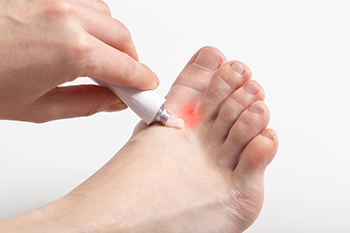
Athlete's foot, or tinea pedis, is a prevalent fungal infection that primarily affects the feet. It is essential to understand the causes behind this bothersome condition for effective prevention and treatment. One leading cause is the fungus trichophyton, which thrives in warm, damp environments. Walking barefoot in public areas, such as locker rooms, swimming pools, and communal showers, can expose you to this fungus. Sharing towels, shoes, or socks with an infected person can also facilitate its spread. Sweaty feet create an ideal environment for fungal growth, making individuals with hyperhidrosis more susceptible. Wearing tight, non-breathable shoes can exacerbate the issue, trapping moisture and promoting fungal development. Certain underlying medical conditions, including weakened immunity or diabetes, can also increase the risk of athlete's foot. Preventing athlete's foot involves maintaining good foot hygiene, keeping feet dry, and choosing breathable footwear. If you suspect you have athlete's foot, it is suggested that you consult a podiatrist for a proper diagnosis and tailored treatment options that can effectively manage this condition.
Athlete’s foot is an inconvenient condition that can be easily reduced with the proper treatment. If you have any concerns about your feet and ankles, contact one of our podiatrists from Advanced Ankle & Foot Surgeons. Our doctors will treat your foot and ankle needs.
Athlete’s Foot: The Sole Story
Athlete's foot, also known as tinea pedis, can be an extremely contagious foot infection. It is commonly contracted in public changing areas and bathrooms, dormitory style living quarters, around locker rooms and public swimming pools, or anywhere your feet often come into contact with other people.
Solutions to Combat Athlete’s Foot
- Hydrate your feet by using lotion
- Exfoliate
- Buff off nails
- Use of anti-fungal products
- Examine your feet and visit your doctor if any suspicious blisters or cuts develop
Athlete’s foot can cause many irritating symptoms such as dry and flaking skin, itching, and redness. Some more severe symptoms can include bleeding and cracked skin, intense itching and burning, and even pain when walking. In the worst cases, Athlete’s foot can cause blistering as well. Speak to your podiatrist for a better understanding of the different causes of Athlete’s foot, as well as help in determining which treatment options are best for you.
If you have any questions please feel free to contact our office located in O'Fallon, and New Baden, IL . We offer the newest diagnostic and treatment technologies for all your foot and ankle needs.
